Intro
Sailing gloves are one of those pieces of kit that are easy to overlook until your hands tell you otherwise. Whether it's rope burn from a fast-running sheet, cold and wet fingers on a grey Solent morning, or blisters building up on a longer passage, the right gloves make a real difference. I've tried a number of pairs over the years and the choice is more nuanced than it might seem. What works brilliantly for racing on a warm day is completely wrong for an offshore passage in October.
Below I've put together a shortlist of the best sailing gloves available, covering different styles, conditions and budgets. Take a look at the comparison table first for a quick overview, then read on for the full details on each one.
Jump straight to the gloves
- Quick Comparison Table
- 3mm Neoprene Diving Gloves
- Gill Deckhand Short Finger Gloves
- Gill Long Finger Pro Gloves
- Helly Hansen Sailing Long Glove
- Gill Helmsman Sailing Gloves
Key Things to Consider When Choosing Sailing Gloves
Full finger vs fingerless vs 3/4 finger is the first decision to make. Fingerless gloves give you maximum feel and dexterity, which is great for racing or warm-weather sailing where you need to handle thin lines quickly. Full-finger gloves offer better protection and warmth but reduce sensitivity. The 3/4 finger design (cut off at the second knuckle) is a popular middle ground, giving grip and palm protection while keeping fingertips free.
Material makes a big difference to how the glove performs and lasts. Leather palms are the gold standard for grip and abrasion resistance but can stiffen up when wet and take time to dry. Synthetic materials like Amara are lighter, dry quickly and stay soft when wet, though they tend to wear faster. Neoprene is the go-to for cold and wet conditions as it insulates even when soaked.
Grip is non-negotiable. You're handling wet lines under load, so the palm material needs to give you real purchase. Look for reinforced patches, textured surfaces, or sticky rubber overlays in high-wear areas.
Cut and abrasion resistance matters more than people expect. Running a sheet through your hands at speed generates real heat and friction. Reinforced palms and fingers significantly extend the life of a glove and protect your hands.
Cuff closure: a velcro or hook-and-loop wrist strap keeps the glove securely in place and stops it pulling off when you're hauling on a line. Worth checking this is well-made as it takes a lot of stress.
Fit should be snug but not tight. Too loose and the glove twists and bunches when you're working; too tight and your hands fatigue faster. Most brands offer a sizing guide based on palm circumference, so it's worth measuring before you buy.
Waterproofing vs water resistance: most sailing gloves are water-resistant rather than fully waterproof. For genuinely cold or wet offshore work, neoprene is a better choice than a waterproof membrane glove, as neoprene insulates even when saturated.
Quick Comparison of Top Sailing Gloves
Here's a quick overview of all the gloves featured in this guide:
| Glove | Type | Best For | Price Range |
|---|---|---|---|
| 3mm Neoprene Diving Gloves | Full finger | Cold water & all watersports | From £14.99 |
| Gill Deckhand Short Finger | 3/4 finger | Versatile all-round sailing | From £28 |
| Gill Long Finger Pro | Full finger | Performance sailing & paddle sports | From £47 |
| Helly Hansen Sailing Long Glove | Full finger | All-round sailing, great value | From £22 |
| Gill Helmsman Gloves | Full finger | Cold & wet offshore conditions | From £59 |
Top Sailing Gloves
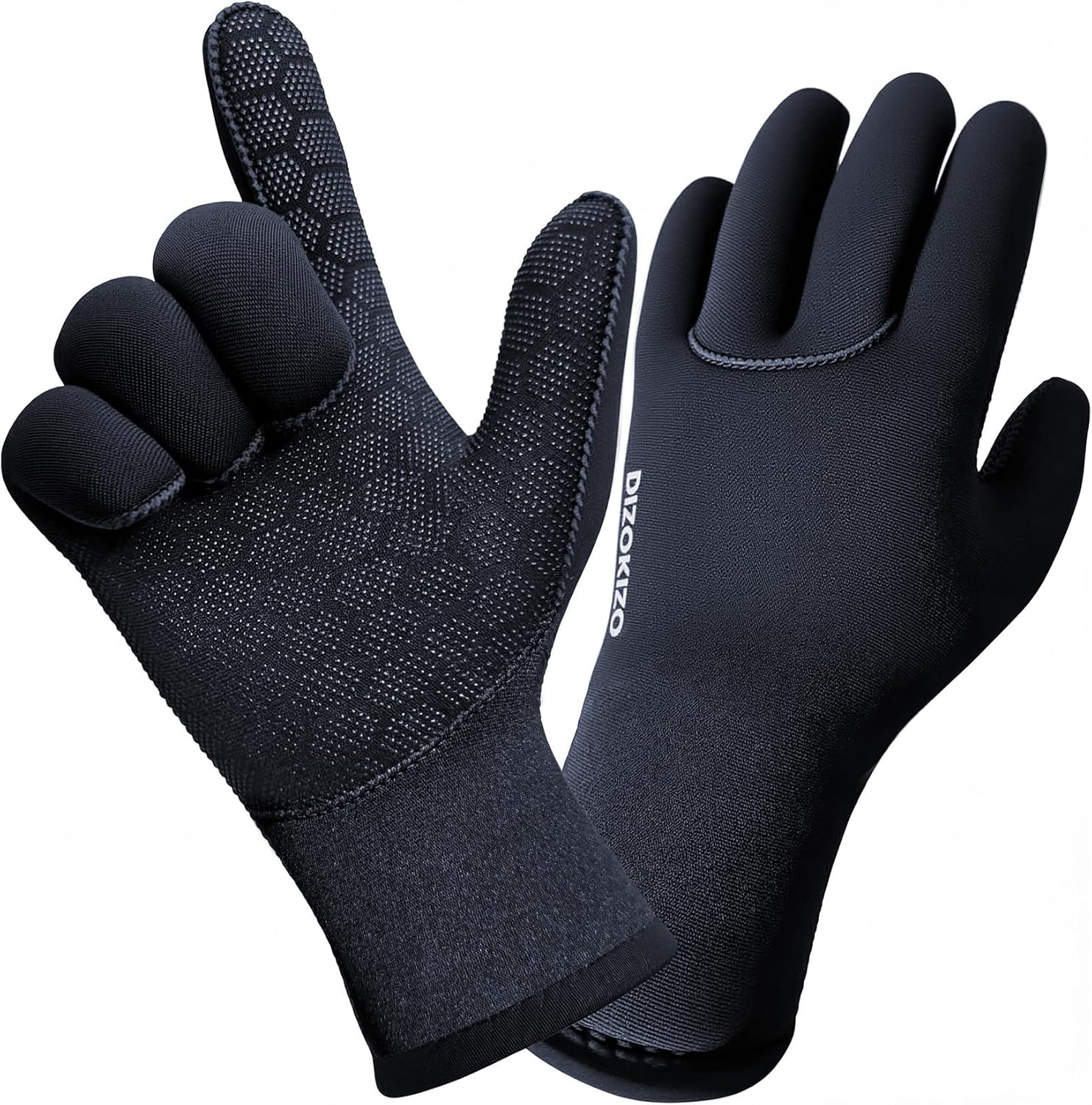
1. 3mm Neoprene Diving Gloves - Buy from Amazon
If you're looking for a budget-friendly full-finger glove that genuinely keeps your hands warm in cold water, these 3mm neoprene gloves are hard to beat at under £15. The 3mm composite neoprene and nylon construction provides solid thermal insulation, which is particularly useful on the Solent in autumn and winter when the water temperature drops and cold hands become a real problem. The anti-slip PU rubber palm gives you a decent grip on wet surfaces, and the glued blind stitch (GBS) seam construction slows water ingress and adds durability. Worth being clear on one thing: like all neoprene gloves, they're not fully waterproof. Water will eventually seep through the seams, but the neoprene keeps your hands warm even when wet. They're unisex and available in multiple sizes, so suitable for men and women. A solid first pair or a cheap spare to keep on board.
- 3mm premium neoprene and nylon construction
- Full five-finger design for maximum warmth
- Anti-slip PU rubber palm for grip on wet surfaces
- Glued blind stitch (GBS) seams for durability and reduced water ingress
- Unisex, available in multiple sizes
- Suitable for kayaking, sailing, snorkelling and other watersports
Buy from Amazon.co.uk - From £14.99
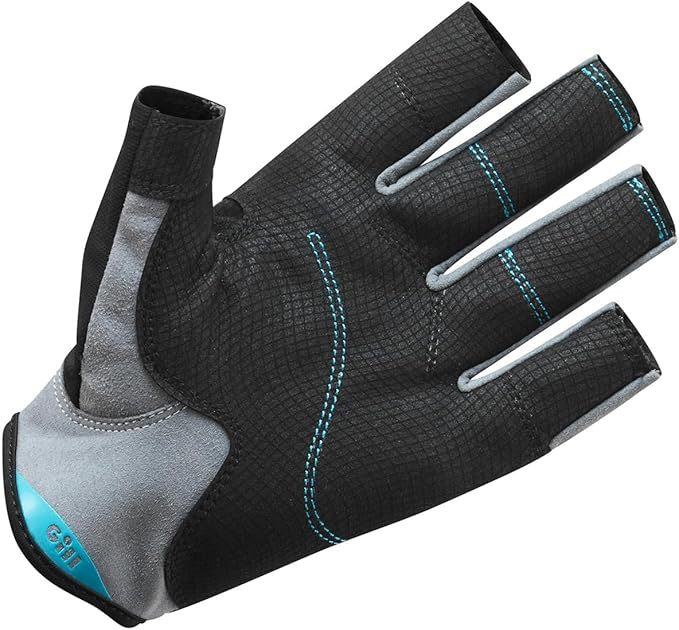
2. Gill Deckhand Short Finger Gloves - Buy from Amazon
The Gill Deckhand is one of the most popular sailing gloves on the market and it's easy to see why. The 3/4 finger design (fingers cut short with the thumb fully exposed) hits the sweet spot between protection and dexterity. You get full palm and lower finger coverage for handling sheets and lines, while your fingertips stay free for tying knots, clipping shackles, or using a chart plotter. The double-layer Amara palm is a key feature: it doesn't absorb water, dries quickly, and holds up well to the abrasion of running rigging. The 4-way stretch fabric on the back of the hand provides UV 50+ sun protection, which is a useful bonus on sunny days out on the water. Offset finger seams remove pressure points that would otherwise cause discomfort on longer passages, and the pre-shaped construction means they feel natural from the first time you put them on rather than needing to be broken in. A great all-round glove for most sailing conditions.
- 3/4 finger design with exposed thumb for dexterity
- Double-layer Amara palm that doesn't absorb water and dries quickly
- 4-way stretch back of hand with UV 50+ protection
- Offset finger seams to remove pressure points
- Pre-shaped construction for a natural fit
- Wraparound palm protection eliminates uncomfortable side seams
- Silicone grip at cuff for easy removal
- Available in multiple sizes from XS
Buy from Amazon.co.uk - From £28
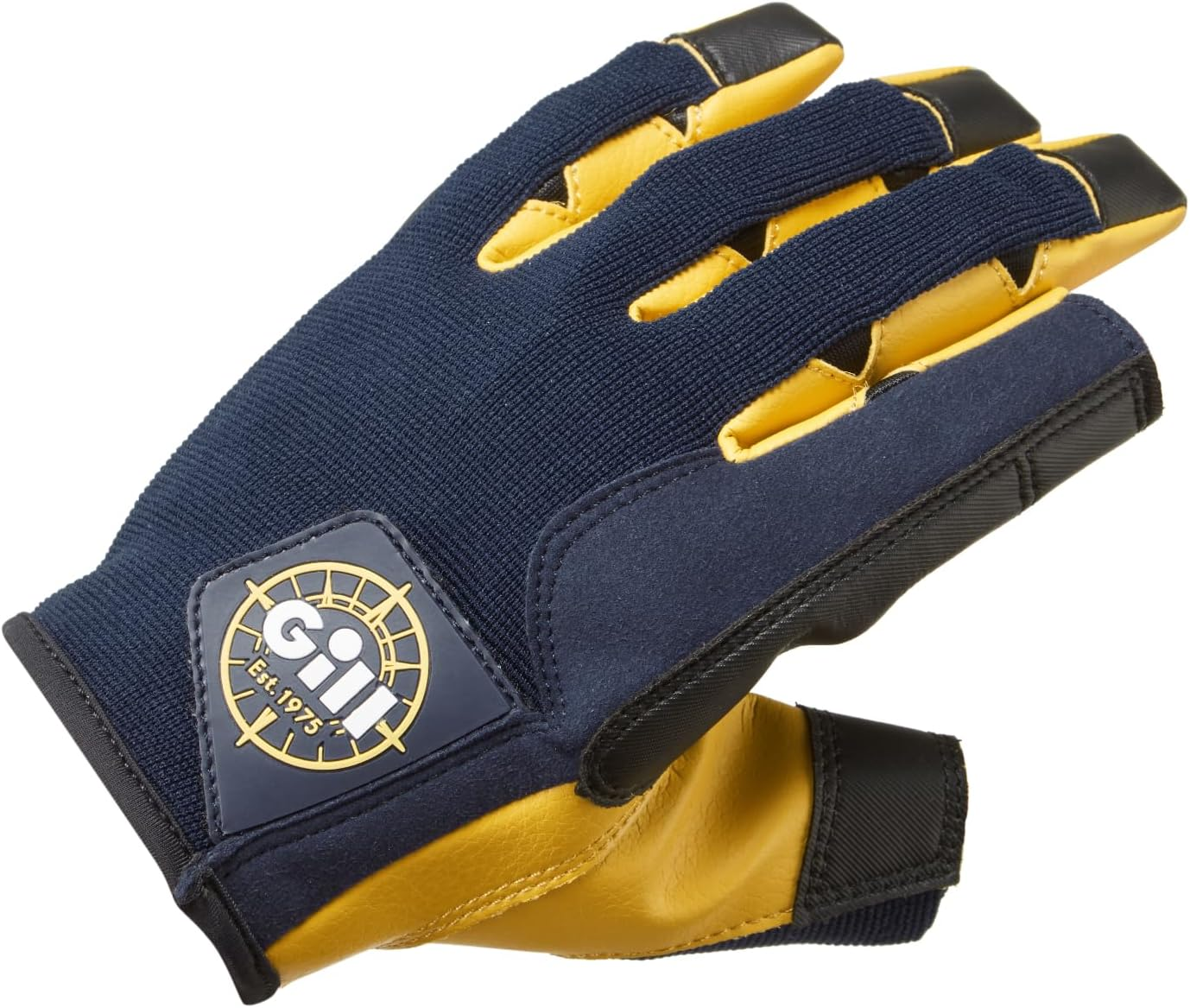
3. Gill Long Finger Pro Gloves - Buy from Amazon
The Gill Long Finger Pro sits at the more performance-oriented end of Gill's sailing glove range. The standout feature is the next-generation Proton-Ultra XD palm, which is noticeably softer and more flexible than older Amara materials. That matters when you're handling lines for hours at a time. Dura-Grip fabric on the palm and fingers delivers strong grip without sacrificing any flexibility, and the wraparound palm protection removes the uncomfortable side seams that can cause pressure points on longer passages. The pre-curved finger construction means the glove naturally follows the shape of your hand rather than fighting it, and the rear volume adjustment allows you to dial in the wrist fit. The reduced cuff length keeps things streamlined and comfortable. A step up from the Deckhand if you want full finger coverage without losing feel on the lines.
- Next-gen Proton-Ultra XD palm, soft, flexible and durable
- Dura-Grip fabric for excellent grip without loss of flexibility
- Pre-curved finger construction for a natural fit
- Flex zones for ease of movement
- Wraparound palm eliminates uncomfortable side seams
- Reduced cuff with rear volume adjustment for wrist comfort
Buy from Amazon.co.uk - From £47
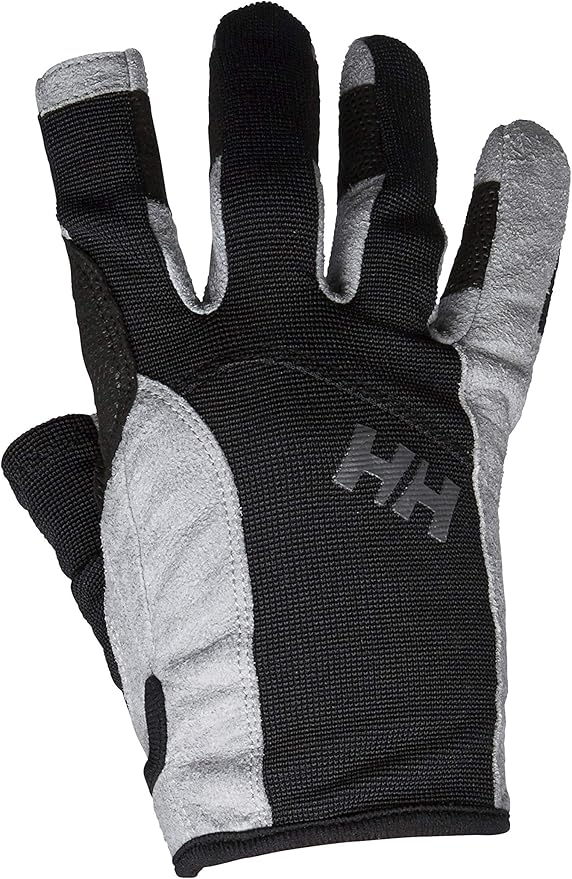
4. Helly Hansen Sailing Long Glove - Buy from Amazon
At £22, the Helly Hansen Sailing Long Glove is one of the best value full-finger sailing gloves on the market. It's a unisex design that works well for a wide range of hand sizes, and the padded leather palm provides solid grip and protection for handling sheets and halyards. The reinforced palm construction holds up well to the kind of abrasion sailing throws at gloves, and the inner velcro wrist adjustment ensures a snug, secure fit that doesn't loosen when you're working hard. The 100% polyester construction is well-ventilated for warmer days while still giving decent coverage. A reliable, no-fuss glove that won't break the bank and a solid choice if you're getting started with sailing gloves or want a spare pair to keep on board.
- Full finger long glove design
- Padded leather palm for grip and abrasion resistance
- Inner velcro wrist adjustment for a secure fit
- 100% polyester, well-ventilated for warmer conditions
- Unisex, suits a wide range of hand sizes
- Machine washable
Buy from Amazon.co.uk - From £22
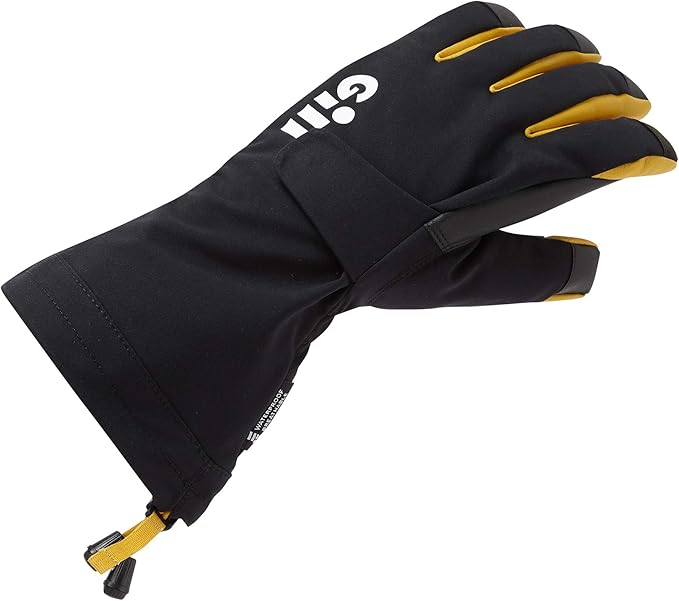
5. Gill Helmsman Sailing Gloves - Buy from Amazon
When the conditions turn properly cold and wet, the Gill Helmsman is the glove to reach for. It's built around a Porelle waterproof and breathable membrane, so these are genuinely waterproof rather than just water-resistant, combined with Thinsulate insulation that keeps working even when damp. That combination makes these the best option on this list for autumn and winter sailing, offshore passages, or anyone sailing in consistently cold conditions. The Proton-Ultra XD palm provides flexible protection while Dura-Grip fabric delivers grip on wet lines without stiffness. Pre-curved fingers and an elasticated cuff ensure a close fit, and the extended gauntlet length tucks neatly under a jacket sleeve to keep wind and water out. The touchscreen-compatible fingertips are a practical touch for using a chartplotter or phone without taking the gloves off. Premium gloves at a premium price, but worth it if you sail in serious conditions.
- Porelle waterproof and breathable membrane (fully waterproof)
- Thinsulate insulation that stays effective when damp
- Proton-Ultra XD palm with Dura-Grip fabric for grip and protection
- Pre-curved fingers and elasticated cuff for best fit
- Extended gauntlet length to tuck under jacket sleeves
- Touchscreen-compatible fingertips
- Ideal for sailing, dinghy sailing and fishing
Buy from Amazon.co.uk - From £59
Final Thoughts on Choosing Your Sailing Gloves
The right glove really does depend on how and where you sail. For most people doing coastal or Solent sailing, a good 3/4 finger synthetic glove covers the majority of conditions. If you're regularly out in cold or wet weather, it's worth having a neoprene pair as well. And if you race, a lightweight fingerless or 3/4 finger glove specifically designed for dinghy or keelboat racing will serve you far better than a general-purpose pair.
As with most sailing gear, buying cheap tends to mean replacing them sooner. A mid-range pair from a reputable brand will outlast several budget alternatives and protect your hands far better in the process.